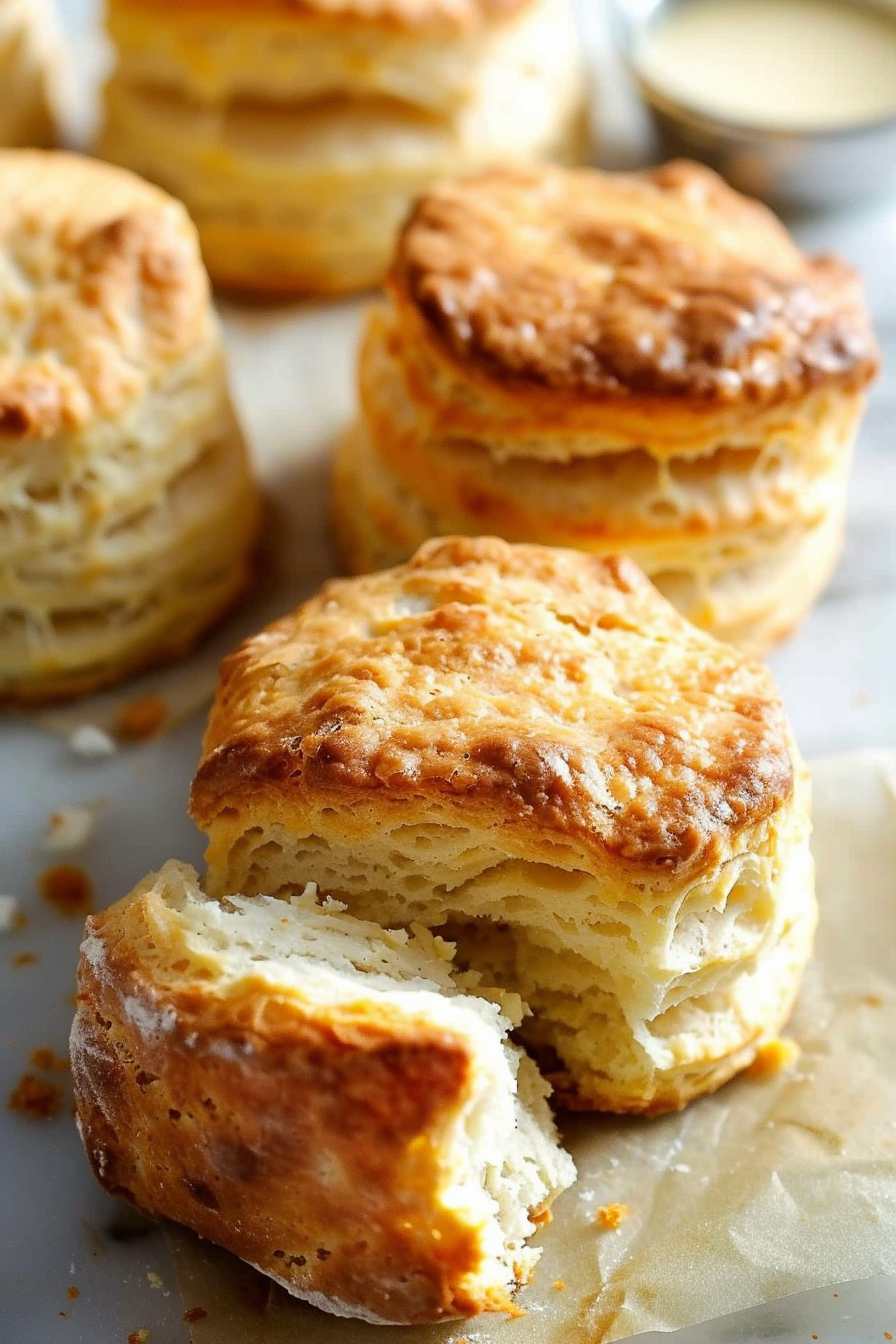
No More Hockey Pucks: Bake Perfect Fluffy KFC Flaky Biscuits
There’s an undeniable magic to a perfectly baked biscuit. It’s that golden-brown, crisp exterior giving way to an impossibly tender, airy interior that simply melts in your mouth. For many, this ideal is embodied by the iconic KFC biscuit—a buttery, fluffy round that perfectly complements a bucket of fried chicken or a spoonful of creamy mashed potatoes. If you’ve ever tried to replicate this culinary delight at home only to end up with dense, pale "hockey pucks," don’t despair. You’re about to discover the secrets to baking truly perfect KFC flaky biscuits that rival the original.
Recreating these Southern comfort classics isn’t just about following a recipe; it’s about understanding the subtle science and time-honored techniques that transform simple pantry staples into a masterpiece of texture and flavor. This comprehensive guide will break down every essential step, from choosing the right ingredients to mastering the mixing and baking processes, ensuring your homemade batch isn't just a close imitation but a true triumph of Southern baking.
The Allure of KFC Flaky Biscuits: More Than Just a Side Dish
What is it about KFC biscuits that makes them so incredibly addictive? It's more than just a convenient side dish; it's a nostalgic bite that transports you to a place of warmth and comfort. Their appeal lies in a delicate balance: a slightly crisp, golden exterior giving way to a pillow-soft, incredibly tender crumb within. This unique texture, combined with a subtle buttery richness and a hint of tang, makes them stand out from other bread products.
These biscuits are deeply rooted in Southern culinary heritage, where biscuit recipes have been lovingly passed down through generations. The KFC version, while a commercial product, reflects this rich history—simple ingredients combined with precise techniques yield big, satisfying flavors. Home cooks and professional bakers alike have long sought to capture that elusive blend of crispness and melt-in-your-mouth tenderness. Mastering the art of making KFC flaky biscuits at home means bringing a piece of this beloved tradition directly to your kitchen, elevating any meal from ordinary to extraordinary.
Unlocking the Secrets: Essential Ingredients for Perfect Flakiness
The foundation of any great biscuit lies in its ingredients. While they may seem basic, understanding their role is crucial for achieving that coveted KFC-style fluffiness and flakiness.
The Magic of Buttermilk: Rise and Tang
Buttermilk is arguably the unsung hero of the biscuit world. It's not just a flavorful liquid; it's a chemical powerhouse that plays a pivotal role in creating those tender, lofty biscuits. The acidity in buttermilk reacts with baking soda (another key leavening agent) to produce carbon dioxide gas. This gas gets trapped in the dough, expanding during baking to give the biscuits their incredible rise and airy texture. Unlike regular milk, buttermilk also contributes a slight, pleasant tang that balances the richness of the butter, adding depth to the overall flavor profile.
For the most authentic and delicious KFC flaky biscuits, real buttermilk is highly recommended. While you can create a DIY substitute by adding a tablespoon of lemon juice or white vinegar to regular milk and letting it sit for a few minutes, the flavor and texture achieved with true cultured buttermilk are simply superior. Its unique acidity and consistency are hard to perfectly replicate. To dive deeper into the science behind this ingredient, explore Unlocking the Secret to Tender KFC Biscuits: Buttermilk & Cold Butter.
Cold Butter is Key: For Those Signature Flaky Layers
If buttermilk is the hero, then cold butter is its indispensable sidekick in the quest for flakiness. The secret to those beautiful, distinct layers in a truly flaky biscuit lies in how the butter interacts with the flour. When tiny pieces of very cold butter are cut into the flour, they remain separate. As the biscuits bake at high heat, the water content in these butter pieces turns to steam. This steam creates small pockets, pushing apart the layers of dough, resulting in that signature flaky texture. If your butter is warm, it melts into the flour, yielding a denser, cakier biscuit.
The trick here is to work quickly and handle the dough as little as possible. Use a pastry cutter, two knives, or even your fingertips (if they're cold!) to cut the butter into pea-sized or even lentil-sized pieces. The less you manipulate the dough, the colder the butter stays, and the more pronounced those coveted flaky layers will be.
The Right Flour and Leavening Agents
While buttermilk and cold butter steal the show, good quality all-purpose flour provides the necessary structure. Some Southern bakers swear by low-protein, soft winter wheat flours, but standard all-purpose flour works wonderfully. Beyond buttermilk and baking soda, many biscuit recipes also include baking powder. This combination ensures a robust rise, as baking powder contains its own acid and base, providing an initial lift even before the buttermilk reacts fully. A pinch of salt is also crucial to balance the flavors.
Mastering the Technique: From Dough to Golden Perfection
Even with the best ingredients, technique is what truly elevates a good biscuit to a great one. These steps are critical for achieving that KFC-level perfection.
The Art of Mixing: Don't Overwork It!
This is perhaps the most common pitfall for aspiring biscuit bakers. Once the cold butter is incorporated into the flour mixture, you'll gradually add the buttermilk. The goal is to mix just until the ingredients come together into a shaggy, somewhat sticky dough. Overworking the dough develops the gluten in the flour, which leads to tough, chewy biscuits instead of tender, melt-in-your-mouth ones. Gently fold the dough a few times on a lightly floured surface, just enough to bring it together.
For optimal results, some experienced bakers employ a "laminating" technique, folding the dough onto itself a few times. This creates even more distinct layers without overworking the gluten, further enhancing the flakiness of your KFC flaky biscuits.
The Power of High Heat: The Golden Crust and Signature Rise
Baking biscuits at a high temperature, typically around 425°F (220°C), is non-negotiable for achieving their signature qualities. This high heat "shocks" the dough, causing the leavening agents to activate rapidly and the water in the cold butter to turn to steam almost instantly. This rapid expansion creates a dramatic rise, giving biscuits their impressive height and a beautifully crispy, golden-brown crust. Baking at a lower temperature risks slow activation, leading to dense, pale, and lackluster results.
Shaping and Cutting for Uniformity
Once your dough is gently mixed, pat it out to an even thickness—usually about 3/4 to 1 inch. When cutting the biscuits, use a sharp biscuit cutter and press straight down without twisting. Twisting the cutter can seal the edges of the biscuit, preventing them from rising properly and forming those distinct layers. For perfectly round, uniform biscuits that bake evenly, this detail makes a significant difference. If you don't have a biscuit cutter, a sharp knife can be used to cut square biscuits; they'll taste just as good!
Beyond the Basics: Tips for Next-Level KFC Flaky Biscuits
You’ve mastered the core techniques, but a few extra touches can truly elevate your homemade KFC flaky biscuits to legendary status.
The Buttery Finish: A Final Touch
For an extra layer of flavor and that irresistible golden sheen, brush the tops of your freshly baked biscuits with melted butter immediately after they come out of the oven. The hot biscuits will absorb the butter, enhancing their richness and moisture content, making them even more delectable. This simple step is a hallmark of many Southern bakeries and adds that unmistakable "KFC-like" finish.
Southern-Inspired Variations and Serving Suggestions
While perfect on their own, KFC flaky biscuits are incredibly versatile. Serve them traditionally with fried chicken, or explore other Southern-inspired pairings. A dollop of homemade gravy, a smear of peach jam, or a drizzle of honey butter can transform them into an even more indulgent treat. For more delightful ways to enjoy and perfect your creations, be sure to check out Recreate KFC's Flaky Biscuits: Golden, Buttery Joy at Home.
Troubleshooting Common Biscuit Blunders
- Dense, Tough Biscuits: The most common culprit is overworking the dough. Remember to mix minimally and handle gently. Warm butter can also contribute to density, as it melts into the flour rather than creating steam pockets.
- Pale Biscuits: Your oven temperature might be too low, or you might be opening the oven door too frequently. Ensure your oven is preheated to the correct high temperature, and avoid peeking until the last few minutes of baking.
- Uneven Rise: This can happen if the dough isn't of uniform thickness, or if you twist the biscuit cutter. Gentle, straight-down cuts are key.
- Dry Biscuits: Too much flour or not enough liquid can lead to dry results. Ensure accurate measurements, especially for flour, and consider adding a tiny bit more buttermilk if your dough seems excessively dry.
Making truly perfect KFC flaky biscuits at home is a rewarding culinary journey. By understanding the role of each ingredient and meticulously applying time-tested techniques, you can banish dense hockey pucks from your kitchen forever. The combination of cold butter, tangy buttermilk, and high heat, coupled with gentle handling, unlocks the secret to that coveted tender, airy texture and golden, buttery joy. So, roll up your sleeves, gather your ingredients, and prepare to savor every warm, delicious bite of homemade biscuit perfection.
